How Much Sleep Do Adults Really Need?
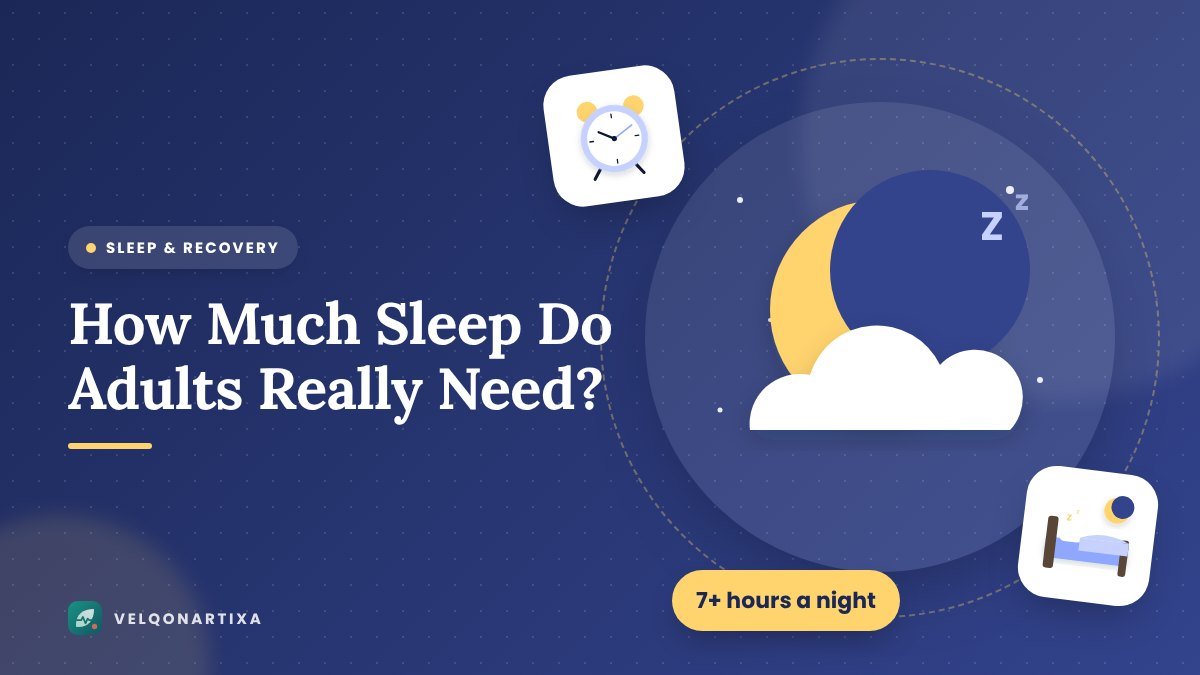
Most adults need at least 7 hours of sleep a night, yet about a third of Americans fall short. Learn recommended hours by age and the risks of chronic sleep loss.
Key takeaways
- Adults 18 to 60 need 7 or more hours of sleep per night; adults 61 to 64 need 7 to 9 hours, and adults 65+ need 7 to 8 hours.
- About one in three U.S. adults regularly gets less sleep than recommended.
- Chronic short sleep is linked to heart disease, diabetes, obesity, depression, and drowsy-driving crashes.
- Sleep quality and a consistent schedule matter as much as the number of hours.
In a culture that often celebrates busyness, sleep is frequently the first thing we sacrifice. But sleep isn't a luxury. It's a biological necessity, as important for your health as nutrition and exercise.
So how much do you really need? Here's what the science and major health organizations say.
Recommended sleep by age
The CDC, based on recommendations from the American Academy of Sleep Medicine and the Sleep Research Society, advises:
| Age group | Recommended sleep per day |
|---|---|
| Teens (13–18) | 8–10 hours (including naps) |
| Adults (18–60) | 7 or more hours per night |
| Adults (61–64) | 7–9 hours |
| Adults (65+) | 7–8 hours |
Some people may need a bit more than these minimums, especially when recovering from illness, during pregnancy, or after periods of sleep deprivation.
How many Americans fall short?
According to the CDC, about one in three U.S. adults doesn't get the recommended amount of sleep on a regular basis. Shift workers, parents of young children, and people working multiple jobs are especially likely to be sleep-deprived.
What happens when you sleep
Sleep is an active process. While you rest, your body and brain:
- Consolidate memories and process what you learned during the day
- Repair tissues and build muscle
- Regulate hormones that control appetite, stress, and growth
- Support your immune system
- Clear waste products from the brain
You cycle through light sleep, deep sleep, and REM (rapid eye movement) sleep several times each night. Each stage plays a role in feeling rested.
Risks of chronic sleep deprivation
Consistently getting less than 7 hours of sleep is linked with a higher risk of:
- Obesity and weight gain
- Type 2 diabetes
- High blood pressure, heart disease, and stroke
- Depression and anxiety
- Weakened immunity
- Trouble concentrating and making decisions
- Accidents, including drowsy-driving crashes
Drowsy driving is dangerous. If you find yourself yawning, drifting from your lane, or missing exits, pull over somewhere safe and rest. Being awake for 18 hours can impair driving in ways similar to having a blood alcohol content of 0.05%.
Signs you're not getting enough sleep
- Needing an alarm clock to wake up every day, and hitting snooze repeatedly
- Feeling drowsy during meetings, while reading, or while driving
- Relying on caffeine to get through the day
- Irritability or mood swings
- Falling asleep within minutes of lying down (this can be a sign of sleep debt)
- Sleeping much longer on weekends
Quality matters too
Getting enough hours is only part of the picture. Good sleep also means:
- Falling asleep within about 15 to 30 minutes
- Waking up rarely during the night and falling back asleep quickly
- Feeling refreshed in the morning
Frequent waking, loud snoring, or gasping can point to a sleep disorder like sleep apnea.
Can you "catch up" on sleep?
Sleeping in on weekends can help repay some short-term sleep debt, but it doesn't fully reverse the effects of chronic sleep loss. Large swings in your sleep schedule can also disrupt your body clock, a phenomenon sometimes called "social jet lag." Aim for a consistent bedtime and wake time, even on weekends.
A simple way to find your natural sleep need: during a vacation without alarms, notice how long you sleep after the first few nights of catching up.
How to get more sleep
- Set a consistent sleep schedule
- Protect a 30- to 60-minute wind-down routine before bed
- Keep your bedroom cool, dark, and quiet
- Limit caffeine after early afternoon and avoid alcohol close to bedtime
- Get morning daylight and regular physical activity
Our sleep hygiene guide covers these habits in detail.
When to see a doctor
Talk with your health care provider if you:
- Regularly have trouble falling or staying asleep for three or more nights a week
- Snore loudly, gasp, or stop breathing during sleep (as noticed by a partner)
- Feel very sleepy during the day despite getting enough hours
- Have an urge to move your legs at night
These could be signs of insomnia, sleep apnea, restless legs syndrome, or another treatable condition.
The bottom line
Most adults need at least 7 hours of quality sleep each night. Treat sleep as a priority, not an afterthought. It's one of the best investments you can make in your physical and mental health.
Last reviewed and updated: October 11, 2026
This article is for general information only. It isn't medical advice and can't replace a visit with your doctor, pharmacist, or other licensed health professional who knows your history. Read our full medical disclaimer.