Planning a Pregnancy: Prenatal Health Steps to Take Now
Thinking about pregnancy? Learn the key steps to take before and during early pregnancy, from folic acid and a preconception visit to vaccines and healthy habits.
Key takeaways
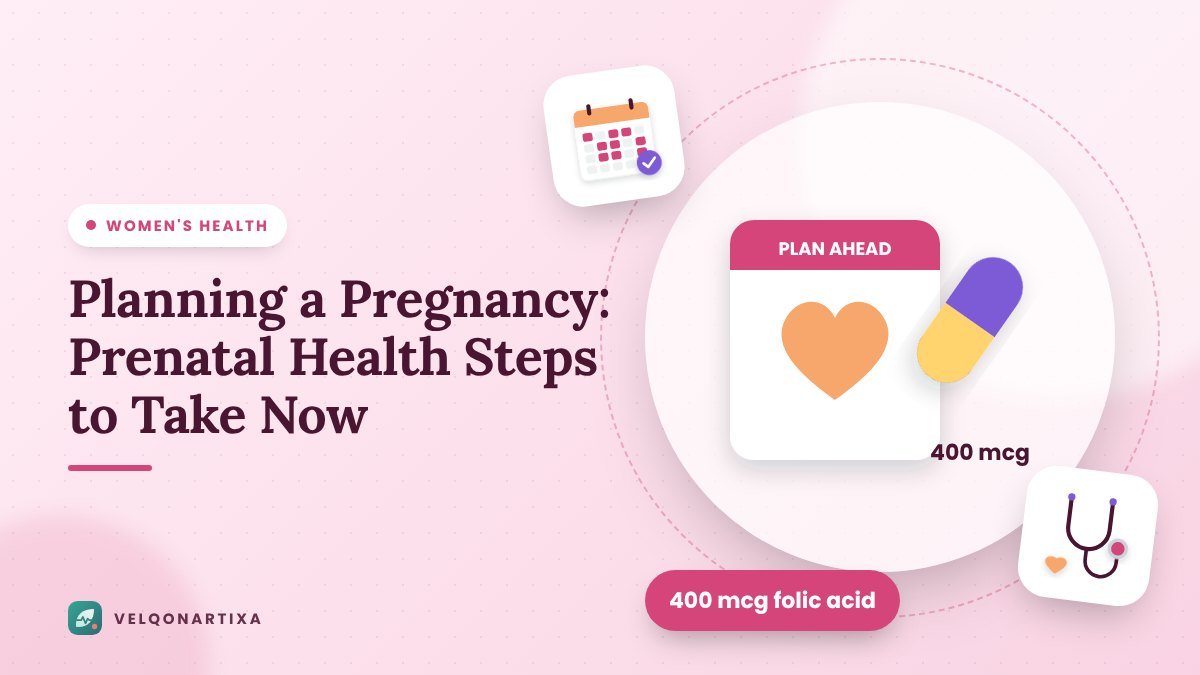
- Anyone who could become pregnant should take 400 mcg of folic acid daily to help prevent neural tube defects.
- A preconception checkup helps manage health conditions, review medications, and update vaccines.
- Avoid alcohol, smoking, vaping, and recreational drugs; there is no known safe amount of alcohol during pregnancy.
- Start prenatal care as soon as you think you might be pregnant.
A healthy pregnancy starts before conception. Many of a baby's major organs begin forming in the first weeks of pregnancy, often before a person knows they're pregnant. That's why health experts recommend preparing your body in advance.
Whether you're actively trying to conceive or thinking about it for the future, here are the key steps to take.
Step 1: Start folic acid now
Folic acid is a B vitamin that helps prevent serious birth defects of the brain and spine, called neural tube defects, such as spina bifida.
The CDC recommends that everyone who could become pregnant take 400 micrograms (mcg) of folic acid every day, even if they aren't planning a pregnancy, because about half of U.S. pregnancies are unplanned.
- Start at least one month before trying to conceive
- Most prenatal vitamins contain folic acid, along with iron, iodine, and other nutrients
- If you've had a previous pregnancy affected by a neural tube defect or have certain health conditions, your doctor may recommend a higher dose
Step 2: Schedule a preconception visit
A preconception checkup with your doctor, nurse practitioner, or midwife is a chance to:
- Review health conditions such as diabetes, high blood pressure, thyroid disease, obesity, depression, or epilepsy, and get them well controlled before pregnancy
- Review all medications and supplements, since some aren't safe during pregnancy. Don't stop any prescribed medication without talking to your provider first.
- Update vaccinations, including rubella (MMR), chickenpox, hepatitis B, and others if needed. Some vaccines, like MMR, should be given at least one month before pregnancy.
- Discuss family and genetic history and whether carrier screening is right for you
- Screen for infections, including sexually transmitted infections
- Talk about your weight, diet, and exercise
Step 3: Adopt healthy habits
Avoid alcohol
There is no known safe amount of alcohol during pregnancy. Alcohol can cause fetal alcohol spectrum disorders. If you're trying to conceive, it's safest to stop drinking.
Quit smoking and vaping
Smoking raises the risk of miscarriage, preterm birth, low birth weight, and sudden infant death syndrome (SIDS). Get free help at 1-800-QUIT-NOW.
Avoid recreational drugs
Including cannabis, which is not considered safe during pregnancy.
Eat a balanced diet
Focus on fruits, vegetables, whole grains, lean proteins, and dairy. Eat 8 to 12 ounces per week of a variety of low-mercury fish, like salmon, shrimp, cod, and canned light tuna. Avoid high-mercury fish such as shark, swordfish, king mackerel, tilefish from the Gulf of Mexico, bigeye tuna, marlin, and orange roughy.
Stay active
Regular physical activity before and during pregnancy is good for you and your baby. Most healthy pregnant women can aim for 150 minutes of moderate activity per week, with their provider's approval.
Manage stress and mental health
Depression and anxiety are common before, during, and after pregnancy. Talk openly with your provider. The National Maternal Mental Health Hotline is available 24/7 by call or text at 1-833-TLC-MAMA (1-833-852-6262).
Step 4: Avoid harmful exposures
- Food safety: Avoid unpasteurized milk and cheeses, raw or undercooked meats, eggs, and seafood, and deli meats unless heated until steaming, to reduce the risk of infections like listeria.
- Toxoplasmosis: Wear gloves when gardening, and have someone else change the cat litter if possible.
- Chemicals: Limit exposure to toxic chemicals at home or work, including certain pesticides, solvents, and lead.
- Travel: Check CDC travel guidance before trips to areas with Zika or other infections.
Step 5: Start prenatal care early
As soon as you think you might be pregnant, take a home pregnancy test and call your provider to schedule your first prenatal visit. Early and regular prenatal care helps identify and manage potential problems.
During pregnancy, recommended vaccines generally include the flu vaccine and Tdap (during each pregnancy, usually between 27 and 36 weeks). Your provider will discuss others, such as RSV and COVID-19 vaccines, based on current guidance.
If you don't have health insurance, Medicaid covers pregnancy care in every state, and many states have expanded eligibility for pregnant women. Community health centers also provide prenatal care regardless of ability to pay.
Partners matter too
A partner's health affects fertility and pregnancy. Partners should also avoid smoking, limit alcohol, maintain a healthy weight, and keep up with their own vaccinations and checkups.
When to talk to a doctor about fertility
Talk to a provider if you're under 35 and haven't conceived after 12 months of trying, or 35 or older and haven't conceived after 6 months. Seek help sooner if you have irregular periods or known health conditions like PCOS.
The bottom line
Preparing for pregnancy is one of the best gifts you can give yourself and your future baby. Start folic acid, schedule a preconception visit, adopt healthy habits, and begin prenatal care early.
Last reviewed and updated: June 11, 2026
This article is for general information only. It isn't medical advice and can't replace a visit with your doctor, pharmacist, or other licensed health professional who knows your history. Read our full medical disclaimer.