How Much Protein Do You Really Need? A Practical Breakdown
How much protein do adults need each day? Learn the RDA, how needs change with age and activity, the best protein foods, and how to spread protein across meals.
Key takeaways
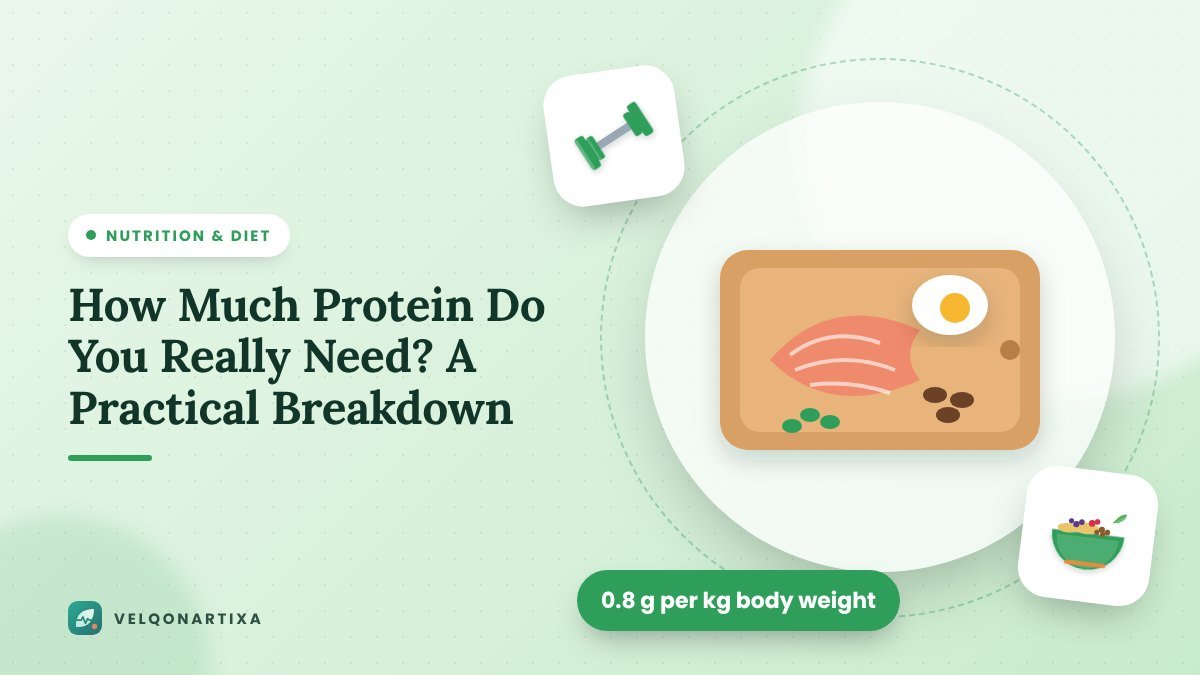
- The RDA for adults is 0.8 grams of protein per kilogram of body weight (about 0.36 grams per pound), which is a minimum to prevent deficiency.
- Older adults and very active people may benefit from somewhat more, often in the range of 1.0 to 1.2 g/kg or higher.
- Spreading protein across meals, roughly 20–30 grams per meal, supports muscle maintenance.
- Most Americans meet their total protein needs; the bigger opportunity is choosing a wider variety of protein foods.
Protein is having a moment. Grocery shelves are filled with protein bars, protein chips, and protein-fortified everything. But how much protein do you actually need, and is more always better? Here's a clear, practical look at what the research says.
Why protein matters
Protein is made of amino acids, the building blocks your body uses to build and repair muscles, bones, skin, enzymes, and hormones. Your body can make some amino acids on its own, but nine "essential" amino acids must come from food.
Protein also helps you feel full and satisfied after meals, which can make it easier to manage your appetite.
The official recommendation
The Recommended Dietary Allowance (RDA) for protein is 0.8 grams per kilogram of body weight per day for healthy adults. That's about 0.36 grams per pound.
| Body weight | Approximate RDA |
|---|---|
| 130 lb (59 kg) | 47 grams |
| 160 lb (73 kg) | 58 grams |
| 190 lb (86 kg) | 69 grams |
| 220 lb (100 kg) | 80 grams |
To estimate your RDA: multiply your weight in pounds by 0.36.
It's important to know that the RDA is the amount needed to meet the basic needs of nearly all healthy people. It's a floor, not necessarily an ideal target for everyone.
When you might need more
Older adults
As we age, our bodies become less efficient at using protein to build muscle. Many researchers and geriatric experts suggest that adults over 65 may benefit from about 1.0 to 1.2 grams per kilogram per day to help preserve muscle and strength, unless a doctor advises otherwise.
Active people and athletes
If you do regular strength training or endurance exercise, your needs may be higher. Sports nutrition organizations commonly suggest about 1.2 to 2.0 grams per kilogram per day for athletes, depending on the type and intensity of training.
Pregnancy and breastfeeding
Protein needs increase during pregnancy and breastfeeding. Your obstetric provider or a registered dietitian can give you a personal target.
Spreading protein across your day
Many Americans eat a small amount of protein at breakfast and most of it at dinner. Research suggests that spreading protein more evenly, about 20 to 30 grams per meal, may better support muscle maintenance, especially for older adults.
Here's what 25 grams or so looks like:
- 3 ounces of cooked chicken, fish, or lean beef
- 1 cup of plain Greek yogurt
- 4 large eggs (or 2 eggs plus a glass of milk)
- 1 cup of cooked lentils plus 1 ounce of cheese
- About 6 ounces of firm tofu
The best protein sources
The Dietary Guidelines encourage variety in protein foods:
- Seafood: salmon, tuna, sardines, shrimp (aim for about 8 ounces a week)
- Poultry and lean meats: chicken, turkey, lean cuts of beef and pork
- Eggs and dairy: eggs, milk, yogurt, cottage cheese
- Plant proteins: beans, lentils, chickpeas, tofu, tempeh, edamame
- Nuts and seeds: almonds, peanuts, walnuts, pumpkin seeds, chia
Plant proteins come with a bonus: fiber, which most Americans lack. Choosing more beans and lentils and less processed meat is a smart move for heart health.
You don't need to combine plant proteins at the same meal. Eating a variety of plant foods across the day provides all the essential amino acids.
Do you need protein powder?
Most people can meet their protein needs through food alone. Protein powders can be convenient for busy mornings or after workouts, but they're dietary supplements, which the FDA doesn't approve for safety or effectiveness before they're sold. If you use one, look for products verified by an independent third party, such as NSF Certified for Sport or USP.
Can you eat too much protein?
For healthy people, moderately high protein intakes appear safe. However, people with chronic kidney disease may need to limit protein, so talk with your doctor before increasing your intake if you have kidney problems. Also, very high-protein diets that rely on red and processed meats can crowd out fiber-rich plant foods.
The bottom line
Most adults need around 0.8 grams of protein per kilogram of body weight, and older or very active adults may benefit from more. Focus on spreading protein across meals and choosing a variety of sources, especially fish, beans, and other plant proteins. For a muscle-building routine to pair with your protein, see our guide to strength training for beginners.
Last reviewed and updated: June 29, 2026
This article is for general information only. It isn't medical advice and can't replace a visit with your doctor, pharmacist, or other licensed health professional who knows your history. Read our full medical disclaimer.