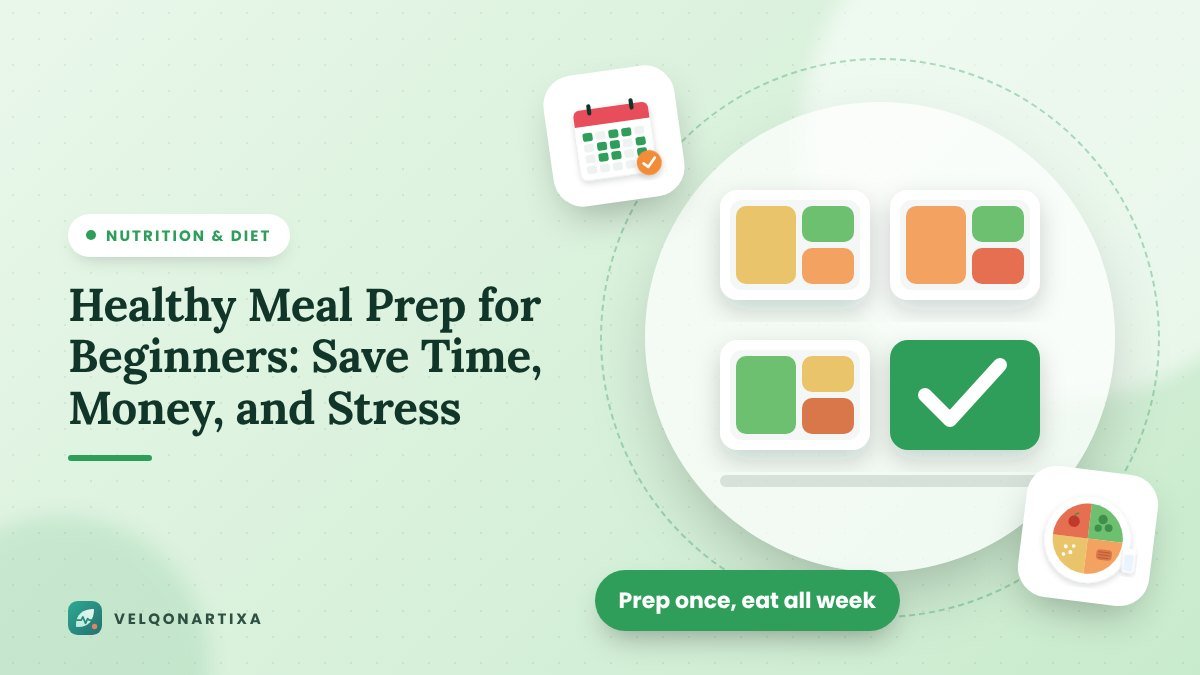
Healthy Meal Prep for Beginners: Save Time, Money, and Stress
A beginner-friendly guide to healthy meal prep: planning, grocery lists, batch cooking, safe food storage times, and simple recipes for busy weeks.
Key takeaways
- Start small: prep just lunches or just breakfasts for the week before tackling every meal.
- Batch-cook versatile basics, such as a grain, a protein, and roasted vegetables, then mix and match.
- Refrigerate cooked food within 2 hours and eat most leftovers within 3 to 4 days.
- Meal prep can cut food waste and grocery costs while making healthy choices the easy choice.
On a busy weeknight, the healthiest dinner is often the one that's already made. That's the idea behind meal prep: setting aside a little time to plan and prepare food in advance so that healthy eating becomes the easy option rather than the hard one.
You don't need fancy containers or Instagram-worthy setups. Here's a realistic, beginner-friendly approach.
Benefits of meal prep
- Saves time: cooking in batches is faster than cooking every night.
- Saves money: fewer last-minute takeout orders and less food waste.
- Supports healthier eating: you control portions, ingredients, sodium, and added sugar.
- Reduces decision fatigue: no more staring into the fridge at 7 p.m.
Step 1: Start small
The biggest beginner mistake is trying to prep every meal for the entire week. Instead, pick one focus:
- Prep lunches for the workweek, or
- Prep breakfasts, such as overnight oats or egg muffins, or
- Prep dinner ingredients, like chopped vegetables and cooked proteins
Once that becomes a habit, you can expand.
Step 2: Plan your menu
Choose two or three recipes for the week, ideally ones that share ingredients. For example, a big batch of roasted chicken can go into grain bowls, wraps, and salads.
A simple formula for balanced meals:
| Component | Examples |
|---|---|
| Protein | Chicken thighs, ground turkey, salmon, tofu, black beans, hard-boiled eggs |
| Whole grain or starch | Brown rice, quinoa, whole-wheat pasta, sweet potatoes |
| Vegetables | Roasted broccoli, peppers, carrots, green beans, leafy greens |
| Flavor | Salsa, pesto, tahini sauce, vinaigrette, herbs and spices |
Step 3: Make a grocery list and shop once
Write your list by store section (produce, meat and seafood, dairy, pantry) to save time. Check what you already have first. Frozen vegetables, canned beans, and canned fish are budget-friendly staples that never go to waste.
Step 4: Batch cook
Set aside about one to two hours. A typical session might look like this:
- Start a pot of grains on the stove or in a rice cooker.
- Roast two sheet pans of vegetables at 425°F.
- Bake or grill your protein.
- While everything cooks, wash and chop raw veggies, make a sauce, and portion snacks.
- Let food cool slightly, then portion into containers.
Season your basics simply (salt, pepper, olive oil, garlic) and add different sauces through the week. The same chicken and rice tastes completely different with salsa one day and teriyaki the next.
Step 5: Store food safely
Food safety is essential with meal prep. Follow these guidelines from the USDA and FoodSafety.gov:
- Cool and refrigerate cooked food within 2 hours (within 1 hour if it's above 90°F outside).
- Use shallow containers so food cools quickly.
- Keep your refrigerator at 40°F or below and your freezer at 0°F.
- Eat most cooked leftovers within 3 to 4 days.
- Freeze anything you won't eat in that window. Soups, chili, cooked grains, and many casseroles freeze well for 2 to 3 months for best quality.
- Reheat leftovers to an internal temperature of 165°F.
A good plan: prep meals for Monday through Wednesday in the fridge, and freeze meals for Thursday and Friday.
Easy beginner meal prep ideas
Breakfast
- Overnight oats: oats, milk or yogurt, chia seeds, and berries in a jar
- Veggie egg muffins: eggs whisked with spinach, peppers, and cheese, baked in a muffin tin
Lunch
- Chicken grain bowls: brown rice, chicken, roasted vegetables, and a simple lemon-tahini dressing
- Mason jar salads: dressing on the bottom, sturdy veggies and beans in the middle, greens on top
Dinner
- Turkey and bean chili: makes a big batch and freezes well
- Sheet-pan salmon and vegetables: cooks in about 20 minutes
Snacks
- Cut vegetables with hummus, portioned nuts, hard-boiled eggs, or fruit
Tips for sticking with it
- Pick a regular prep day, like Sunday afternoon.
- Play music or a podcast to make it enjoyable.
- Invest in a set of microwave-safe, BPA-free or glass containers.
- Keep a list of meals your household liked so you can repeat them.
- Don't aim for perfection; even prepping a few meals helps.
The bottom line
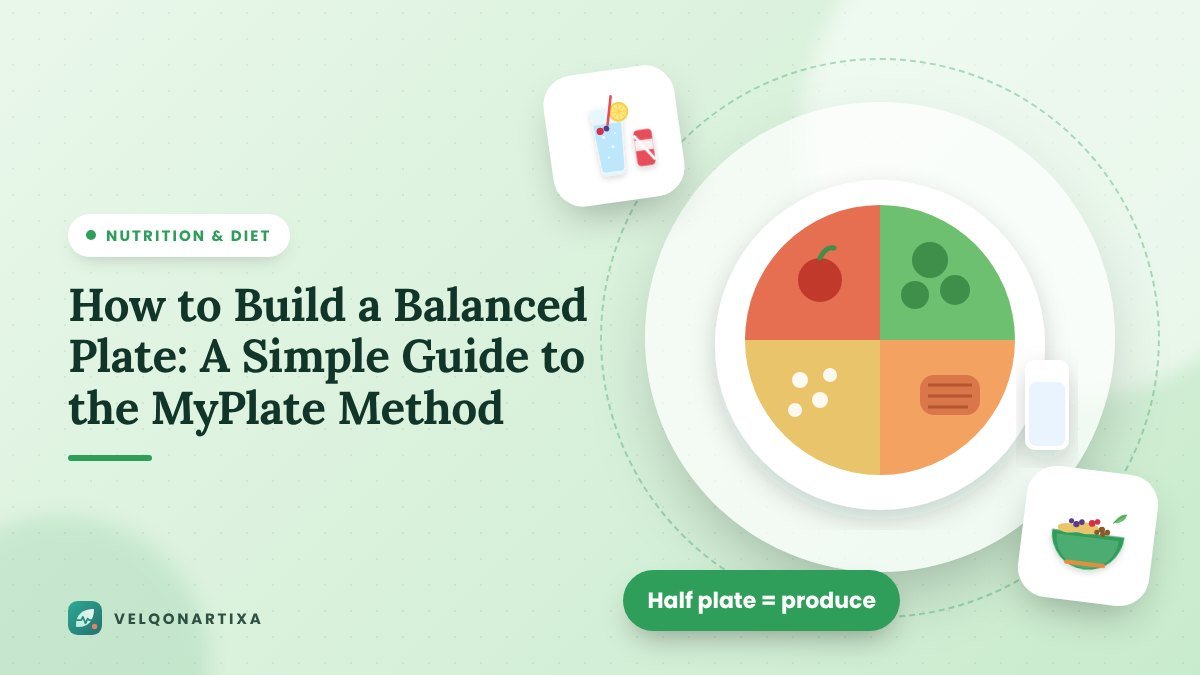
Meal prep is one of the most practical tools for eating healthier on a busy schedule. Start with one meal type, use simple building blocks, follow safe storage rules, and adjust as you go. Pair it with our guide to building a balanced plate for well-rounded meals every time.
Sources & further reading
Last reviewed and updated: May 31, 2026
This article is for general information only. It isn't medical advice and can't replace a visit with your doctor, pharmacist, or other licensed health professional who knows your history. Read our full medical disclaimer.